
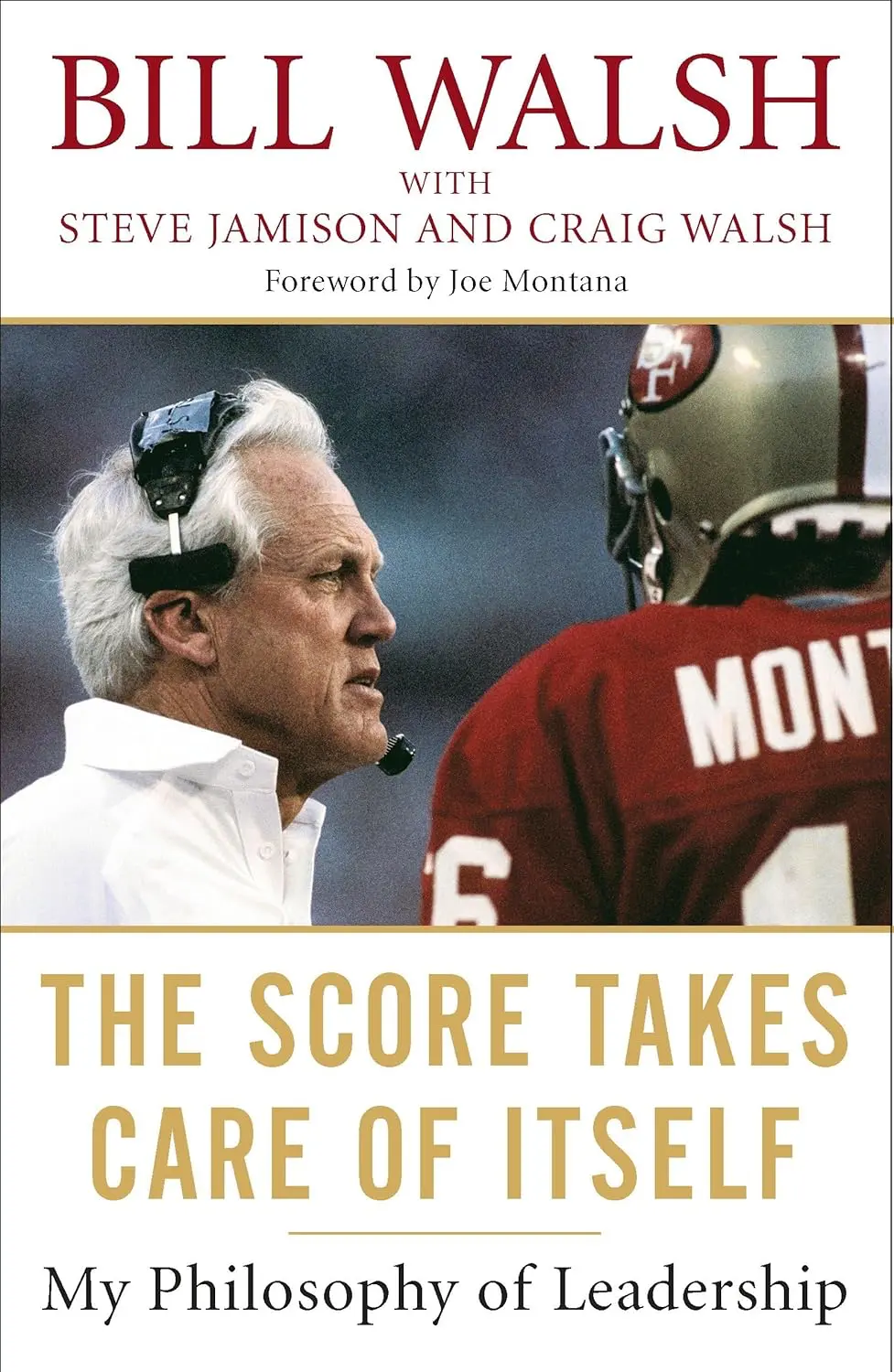
Bill Walsh took over the San Francisco 49ers in 1979, when they were the worst team in the NFL with a 2-14 record. Within three years, they won the Super Bowl. Walsh went on to win two more Super Bowls and is widely considered one of the greatest coaches in football history. This book, compiled from his notes and interviews after his death in 2007, explains his leadership philosophy.
The central idea is the “Standard of Performance,” a detailed description of how every person in the organization should do their job, from the quarterback to the receptionist. Walsh believed that if everyone performed at a high standard in their specific role, winning was a natural byproduct. Focusing directly on winning created anxiety and short-term thinking. Focusing on the process created excellence.
Walsh covers specific practices: how he prepared for games (scripting the first 25 plays rather than reacting in real time), how he evaluated talent (looking for intelligence and adaptability, not just physical ability), how he handled losing (separating a bad outcome from a bad process), and how he managed his own psychology during losing streaks (by returning to the Standard of Performance as an anchor).
The book also addresses the darker side of leadership. Walsh writes honestly about the loneliness of the top position, the paranoia that success creates, and the burnout that eventually caused him to step down. He does not present himself as infallible. He describes decisions he regrets and moments when his confidence failed.
For founders, the translation is direct. Replace “winning the Super Bowl” with “hitting revenue targets” or “launching a product.” Walsh’s argument is that obsessing over outcomes creates pressure that degrades performance, while obsessing over process creates consistency that produces outcomes. This mindset applies to product development, sales, hiring, and every other area of company building.
Ben Horowitz cited this book as a major influence. Joe Montana and Keith Rabois have also recommended it. At about 250 pages, it is a manageable read. Walsh’s voice comes through clearly despite the posthumous compilation, and the football examples translate naturally to business contexts.
