
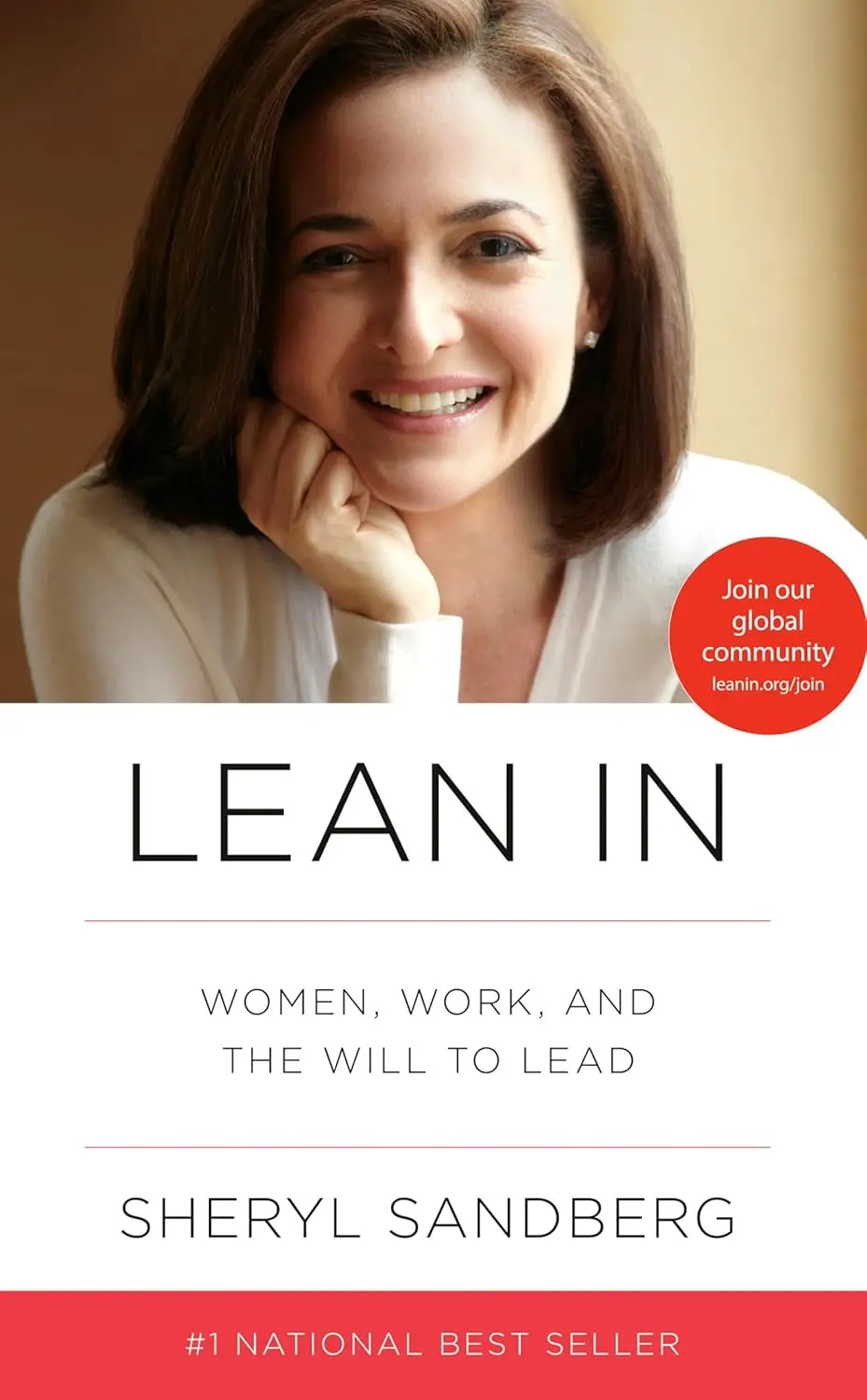
Lean In is part memoir, part research summary, and part career advice. Sandberg draws on her own experience rising through Google and Facebook, as well as academic research on gender and workplace dynamics, to argue that women hold themselves back in ways they do not always recognize.
The core argument is that in addition to institutional barriers (pay gaps, lack of childcare, bias in hiring and promotion), women face internal barriers: they are less likely to negotiate, less likely to speak up in meetings, more likely to attribute success to luck rather than skill, and more likely to pull back from career ambitions when they start thinking about having children, sometimes years before they actually do. Sandberg calls this “leaving before you leave.”
She advocates “leaning in” to career opportunities rather than pulling back, sitting at the table rather than on the sidelines, and seeking mentorship and sponsorship aggressively. The book also addresses the structural side, arguing that companies need to change policies around parental leave, flexible work, and unconscious bias training.
Lean In generated significant debate. Supporters praised it for naming the internal barriers candidly and backing them with data. Critics argued that it placed too much responsibility on individual women rather than addressing systemic problems, and that its advice was most applicable to women already in privileged professional positions. Both readings have merit, and Sandberg has acknowledged some of these criticisms in later writing.
For founders, the sections on leadership, negotiation, and building confidence are applicable regardless of gender. The research on how people perceive assertiveness differently in men and women is useful for anyone managing teams or hiring. Understanding these dynamics makes you a better leader and a more aware employer.
The book is around 230 pages and reads quickly. Whitney Wolfe Herd, Sophia Amoruso, and Katrina Lake have cited it as influential. The personal stories are honest, including Sandberg’s reflections on her own uncertainties and mistakes, which keeps the book grounded despite its ambitious scope.
