
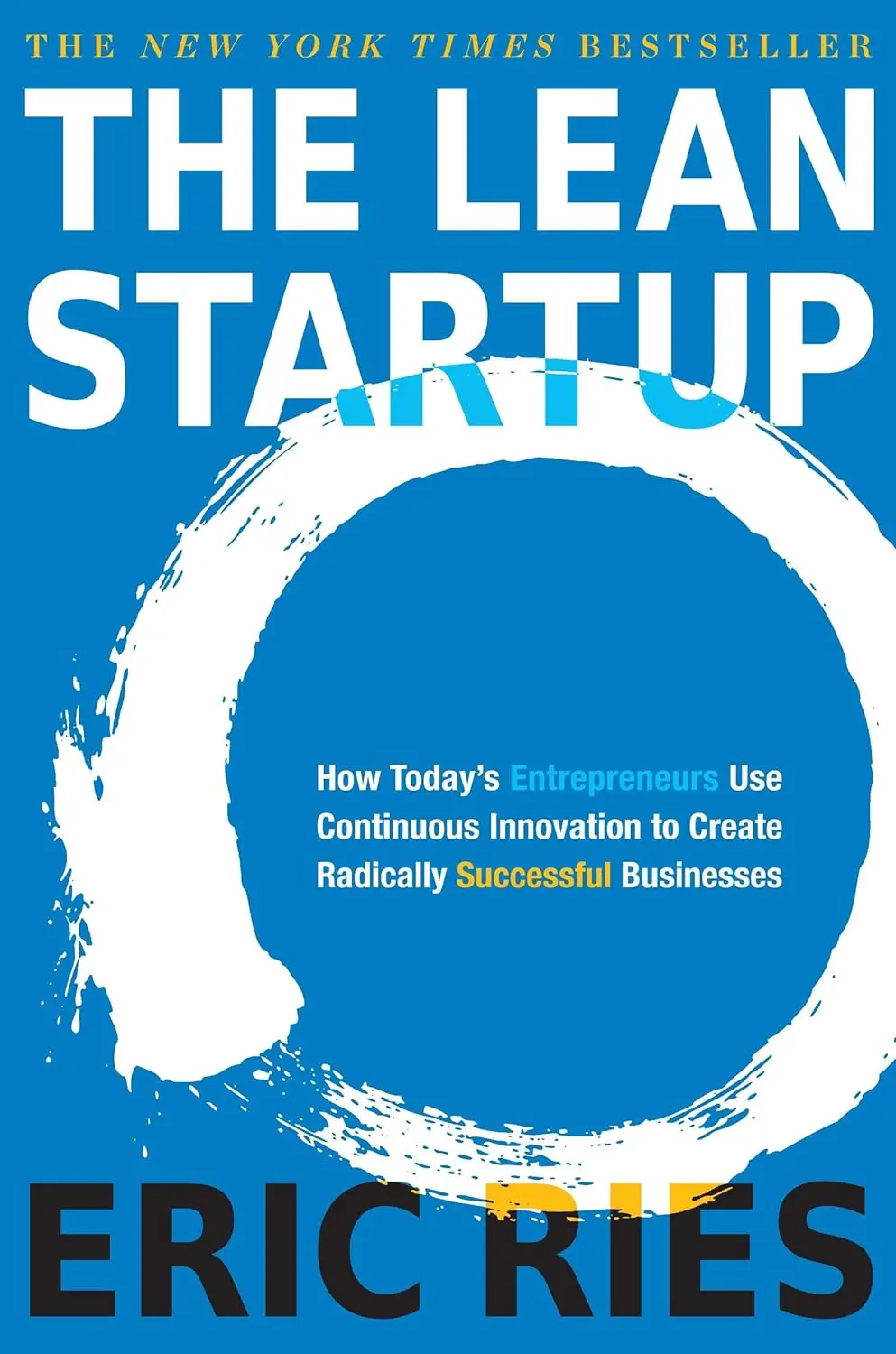
The Lean Startup applies lean manufacturing principles, originally developed at Toyota, to the problem of building a company under conditions of extreme uncertainty. Ries defines a startup as any organization creating something new under uncertain conditions, which means the book applies to new projects inside large companies as well as two-person garage operations.
The core framework is the Build-Measure-Learn feedback loop. You start with a hypothesis about what customers want, build a minimum viable product (MVP) to test that hypothesis as cheaply as possible, measure how customers actually respond, and then learn whether to persevere with the current strategy or pivot to a new one. The goal is to get through this loop as fast as possible, because every cycle gives you real data instead of guesses.
Ries draws on his own experience building IMVU, a social network startup where the team initially spent months building features that customers did not want. After nearly running out of money, they shifted to releasing incomplete products, testing assumptions directly, and making decisions based on data rather than instinct.
The book also covers innovation accounting, a system for measuring progress in a startup where traditional metrics (revenue, profit) do not yet apply. Instead, Ries proposes tracking actionable metrics tied to specific hypotheses, like conversion rates from a landing page test, rather than vanity metrics like total page views.
For founders, the most practical takeaway is permission to ship something imperfect. Many first-time builders spend too long perfecting a product in isolation when they should be testing it with real people. The MVP concept, while now widely known, was not mainstream when the book was published in 2011.
Critics argue that the lean approach works better for software companies than for hardware, biotech, or other capital-intensive industries. That is a fair point. The book also leans heavily on Ries’s own experience, which limits the range of examples. But as a mental model for reducing waste and learning faster, the Build-Measure-Learn loop has become standard vocabulary in the startup world for good reason.
