

The programs that retain affiliates and keep them actively promoting are the ones that communicate well. Not constantly, not with corporate newsletters nobody reads, but with the right messages at the right cadence that make affiliates feel informed, valued, and equipped to succeed.
Poor communication is the silent killer of affiliate programs. Partners who feel ignored stop promoting. Partners who never hear about new products, promotions, or creative assets miss opportunities to drive sales. Partners who have questions and get slow responses lose trust. This guide covers the communication framework, channels, cadence, and content that keep your affiliates engaged and productive.
The Communication Framework: Proactive vs Reactive
Affiliate communication falls into two categories, and most programs only do one of them well.
Reactive Communication
Responding to affiliate questions, resolving tracking issues, processing payout inquiries, and handling disputes. This is the baseline. Every program must do this well. The standard to aim for is a response within 24 hours on business days. Same-day responses for urgent tracking or payment issues.
Proactive Communication
Reaching out before affiliates ask. Sharing upcoming promotions, new creative assets, product launches, performance tips, and program updates. This is what separates thriving programs from stagnant ones. Proactive communication gives affiliates reasons and tools to promote more, without them having to seek it out themselves.
Communication Channels: Where to Reach Affiliates
Use different channels for different purposes. The goal is meeting affiliates where they already are, not forcing them into a channel that works best for you.
→ Email (primary channel). Best for: monthly newsletters, program announcements, promotion alerts, performance reports, and onboarding sequences. Email is the backbone of affiliate communication because it scales, is easy to automate, and creates a permanent record.
→ Direct messaging (Slack, email, or platform chat). Best for: one-on-one conversations with top performers, quick questions, relationship building, and sensitive discussions. Personal messages make high-value affiliates feel recognized and prioritized.
→ Affiliate dashboard announcements. Best for: program updates, new asset notifications, and policy changes. Most affiliate platforms support in-dashboard notifications that affiliates see when they log in. Use these for information that needs to be visible every time a partner accesses their account.
→ Private community (Slack channel, Facebook group, Discord server). Best for: peer-to-peer interaction, quick Q&A, sharing wins, and building a sense of belonging. Communities work especially well for customer-affiliate programs where partners benefit from seeing each other’s success.
The Communication Cadence: How Often to Reach Out
Too little communication and affiliates forget about you. Too much and they tune out or unsubscribe. Here is the cadence that balances visibility with respect for their inbox:
Recommended Cadence
→ Monthly: Affiliate newsletter with program updates, performance highlights, new creative assets, upcoming promotions, and content ideas. This is the minimum viable cadence. Programs that communicate less than monthly lose affiliate attention rapidly.
→ As needed: Promotion-specific emails when you launch a sale, new product, or seasonal campaign. These are action-oriented messages with clear instructions on what affiliates should promote, what creative assets to use, and what incentives are available.
→ Quarterly: Personal outreach to your top 10 to 20 affiliates. A brief message checking in on their experience, asking for feedback, and sharing any exclusive opportunities. This high-touch communication is reserved for your most valuable partners.
→ Automated triggers: Welcome sequence during onboarding, first-sale congratulations, performance milestone celebrations, and re-engagement emails for affiliates who have been inactive for 30+ days.
What to Include in Your Monthly Affiliate Newsletter
Your monthly newsletter is the most important proactive communication touchpoint. It keeps the entire affiliate base informed and gives them fresh material to work with. Here is what to include:
→ Program performance summary. Share aggregate stats (total affiliate sales, top-performing product, conversion rate trend) without revealing individual affiliate earnings. This gives partners context on the program’s health and trajectory.
→ New or updated creative assets. Link to fresh banners, product images, email templates, or social media copy you have added since the last newsletter. Make it easy for affiliates to find and use them.
→ Upcoming promotions and campaigns. Give affiliates advance notice of sales, product launches, and seasonal campaigns so they can plan their content around them. Include start and end dates, discount details, and any special affiliate-only incentives.
→ Content ideas and promotion tips. Suggest specific article angles, social post formats, or content hooks that affiliates can adapt for their platforms. Not everyone knows what to promote next, and a simple suggestion can reactivate a dormant partner.
→ Top affiliate spotlight (optional). With permission, highlight a top-performing affiliate and what they are doing well. This creates social proof, rewards the featured partner, and inspires other affiliates to step up their efforts.
Keep the newsletter concise and scannable. Affiliates are busy. A 500-word email with clear sections and direct links to assets performs better than a 2,000-word essay. Every element should either inform, equip, or motivate the affiliate to take action.
Communicating With Top Performers vs the Broader Base
Your top affiliates deserve a different communication experience than the rest of your base. These partners drive a disproportionate share of your revenue and have earned a more personal, strategic relationship.
For your top 10 to 20% of affiliates, layer personal touchpoints on top of the standard newsletter cadence. This includes direct email check-ins, early access to promotions and product launches, invitations to provide feedback on the program, and the option to negotiate custom commission rates or exclusive incentives. A quarterly phone or video call with each top partner is one of the highest-ROI activities in affiliate management because it builds a relationship that is hard for competitors to replicate.
For the broader base, the monthly newsletter plus automated trigger emails handle the majority of communication needs efficiently. Supplement with occasional segmented messages targeting specific affiliate types (for example, a message to all Instagram-focused affiliates about a new visual asset pack, or a message to all bloggers about a new product comparison data sheet).
Common Communication Mistakes
Only communicating when you want something. If the only time affiliates hear from you is when you need them to promote a sale, the relationship feels transactional. Balance promotional messages with value-adding content (performance tips, industry insights, creative resources) so affiliates feel the communication benefits them, not just you.
Sending the same message to everyone. A coupon site affiliate and a long-form blogger have different needs, create different content, and respond to different messaging. As your program grows, segmenting your communication by affiliate type, performance level, or promotional method makes every message more relevant and effective.
Being vague about promotions. Telling affiliates “we have a big sale coming up” without specifying the dates, discount amount, product scope, and available creative assets is not helpful. They need actionable details to create effective promotional content. The more specific your communication, the better the results.
Disappearing for months and then asking for help. Programs that go silent for two to three months and then suddenly send a “please promote our Black Friday sale” email get poor results. By the time that message arrives, most affiliates have forgotten about the program or filled their promotional calendar with other brands. Consistent monthly communication prevents this.
Communication Is Retention
The programs with the best affiliate retention rates are invariably the ones that communicate most effectively. Not most frequently. Most effectively. Every touchpoint should either inform, equip, or motivate your partners. If a message does not do at least one of those three things, it does not need to be sent.
Build your communication cadence, automate what you can, personalize where it matters most, and never let more than a month pass without reaching your affiliate base. For the operational framework that communication fits into, our guide on managing an affiliate program covers the full daily, weekly, and monthly rhythm. And for strategies on keeping affiliates actively promoting once you have their attention, our guide on scaling your affiliate program covers the growth tactics that build on strong communication foundations.
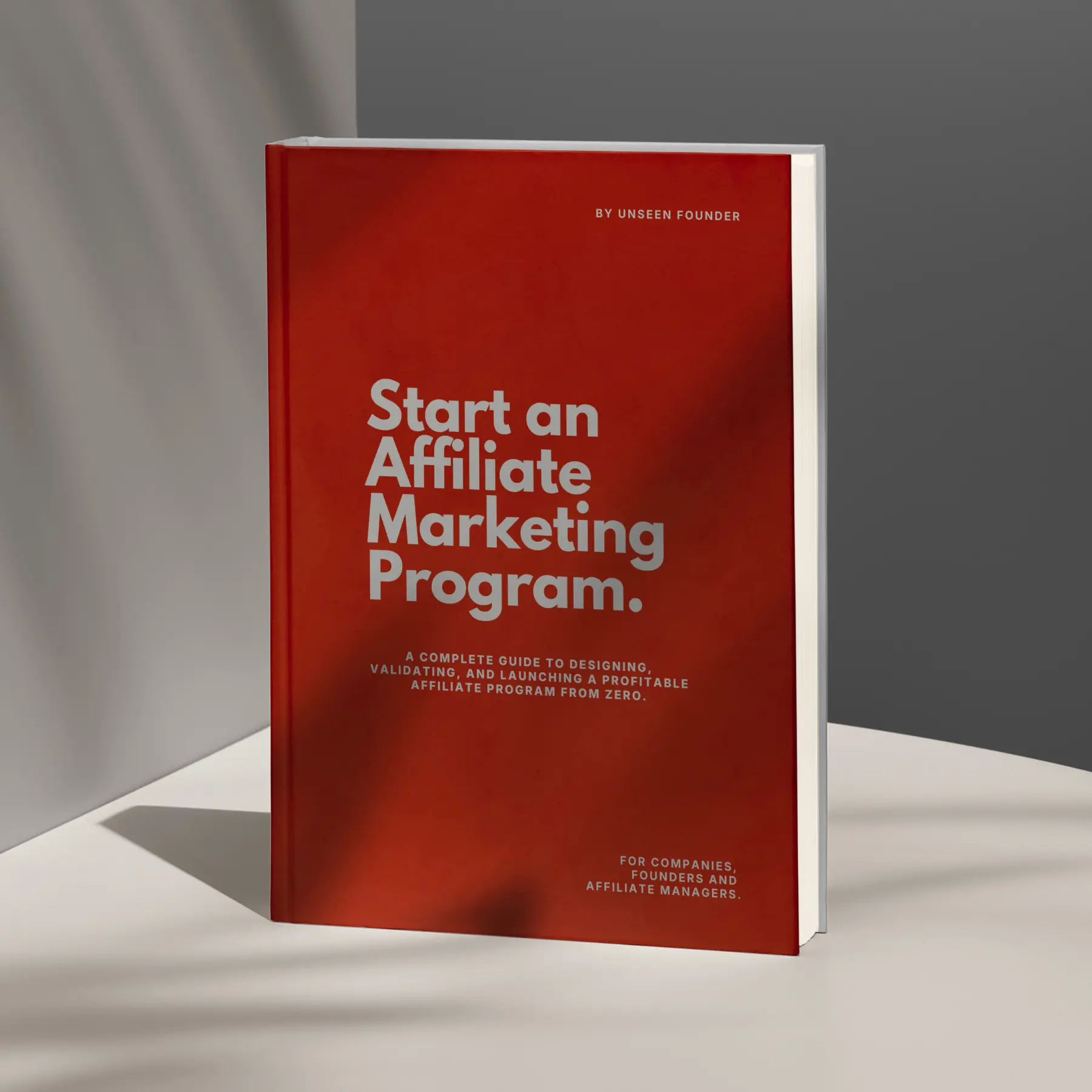
How To Start Affiliate Marketing Program
The Complete Launch Framework
eBook by Unseen Founder
How to Start an Affiliate Marketing Program is a structured, no-fluff framework for companies that want to design, validate, and launch a profitable affiliate program from scratch. It is not a collection of tips.
It is a complete operational blueprint built for founders, marketing leaders, and affiliate managers to launch a profitable affiliate program from zero.
